
Periodontics


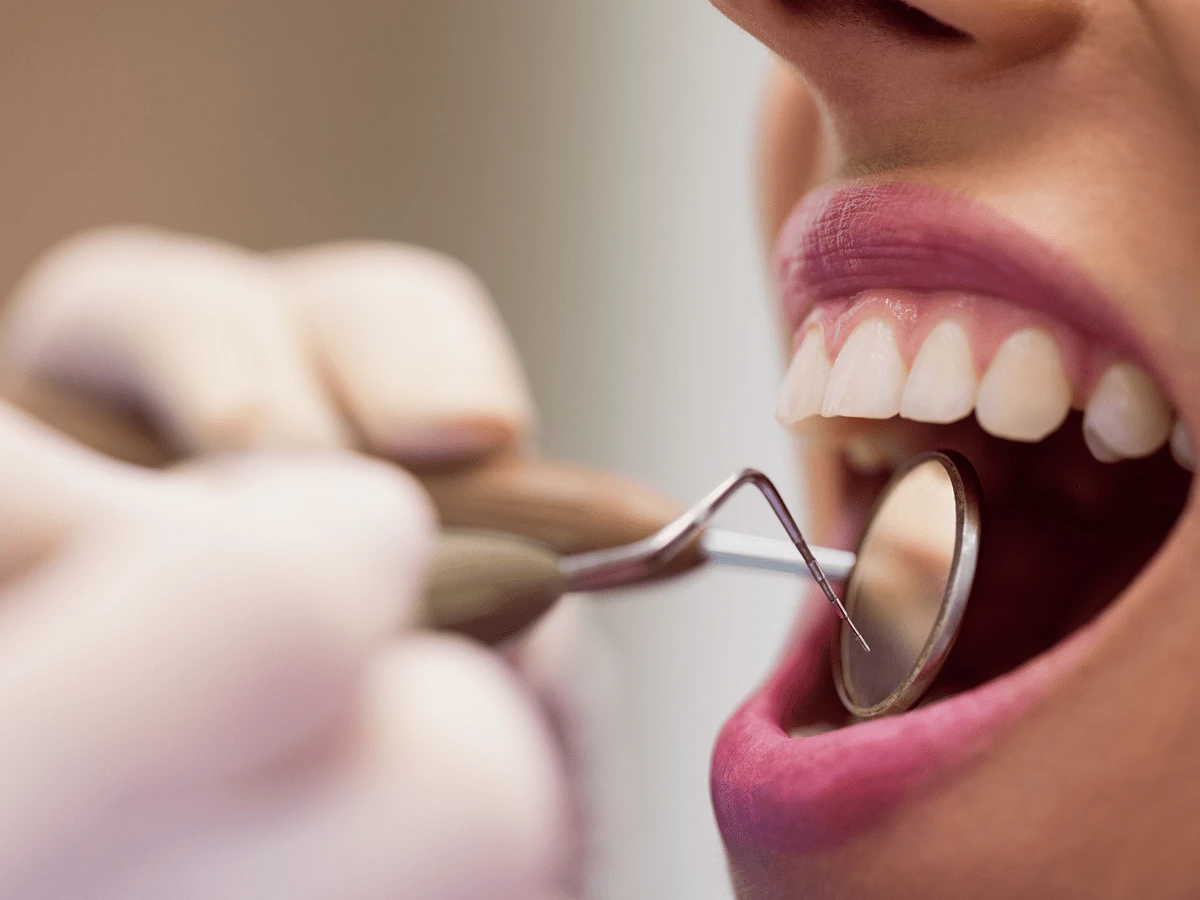
Periodontics
What is Periodontics?
Periodontics is the branch of dentistry that deals with the prevention, diagnosis, and treatment of diseases affecting the gums and supporting structures of the teeth. The most common condition treated in periodontics is gum disease, also known as periodontal disease.
What is Gum Disease?
Gum disease is an inflammatory condition that affects the gums and bone supporting the teeth. It usually starts with the accumulation of plaque—a sticky film of bacteria—on teeth. If not removed, it hardens into tartar, which leads to gum irritation, infection, and eventually tooth loss if untreated.
Types of Gum Disease:
-
Gingivitis (Early Stage)
-
Red, swollen, bleeding gums
-
Caused by plaque buildup
-
Reversible with professional cleaning and good oral hygiene
-
-
Periodontitis (Advanced Stage)
-
Gums pull away from teeth, forming pockets
-
Bone and tissue damage
-
May result in loose teeth or tooth loss
Symptoms of Gum Disease
-
Red, swollen, or tender gums
-
Bleeding during brushing or flossing
-
Persistent bad breath (halitosis)
-
Receding gums
-
Loose or shifting teeth
-
Pain when chewing
Symptoms of Gum Disease-
Red, swollen, or tender gums
-
Bleeding during brushing or flossing
-
Persistent bad breath (halitosis)
-
Receding gums
-
Loose or shifting teeth
-
Pain when chewing

Antibiotic Therapy
Used to kill bacteria in gum pockets. Available as mouth rinses, gels, or oral medication.

Benefits of Treating Gum Disease
-
Prevents tooth loss
-
Reduces bad breath
-
Improves gum health and appearance
-
Protects overall health (gum disease is linked to diabetes, heart disease, and stroke)
-
Improves comfort while chewing and speaking
-
-
-
-