
Advanced Technology & Instrumentaion


Explore Advanced Technology Instrumentation
Our cutting-edge technology provides high-precision instrumentation for scientific research, industrial applications, and healthcare advancements. Experience the future with state-of-the-art tools designed for accuracy and efficiency.
Enhancing precision, efficiency, and innovation in modern instrumentation.
Digital Dentistry
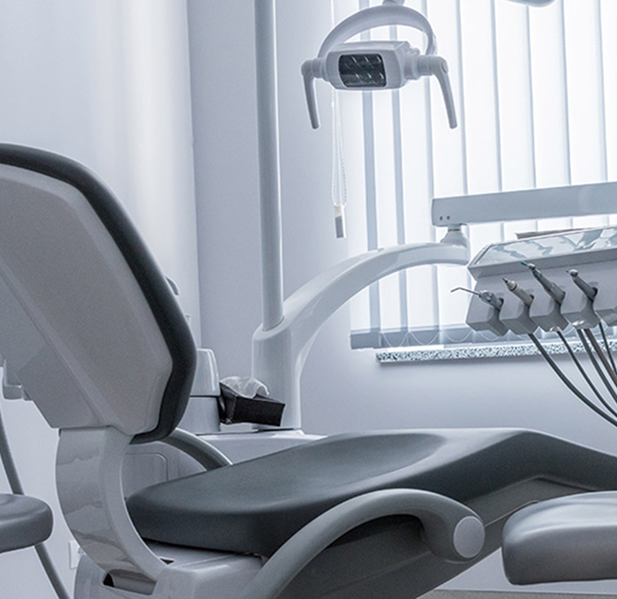
Digital dentistry uses advanced technology to improve dental care, diagnosis, and treatments with precision and efficiency. It includes tools like 3D scanning, CAD/CAM (Computer-Aided Design & Manufacturing), digital X-rays, and laser dentistry. These innovations enhance accuracy, reduce treatment time, and provide minimally invasive solutions for patients.
Digital dentistry uses technology for precise, fast, and comfortable dental care.
CAD/CAM Dentistry
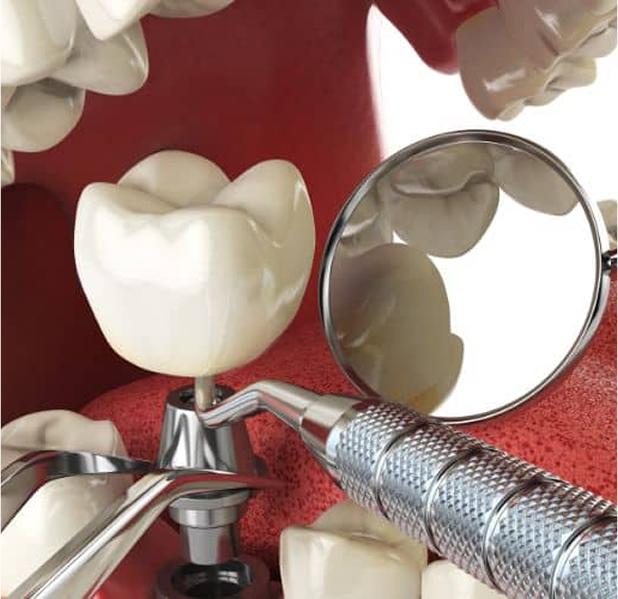
CAD/CAM (Computer-Aided Design & Computer-Aided Manufacturing) dentistry uses digital technology to design and create dental restorations like crowns, bridges, veneers, and inlays/onlays with high precision. This technology allows for same-day restorations, eliminating the need for multiple dental visits.
CAD/CAM dentistry uses computer-aided design and manufacturing to create precise, same-day dental restorations like crowns, bridges, and veneers.
Digital Smile Design
Digital Smile Design (DSD) is an advanced dental technology that allows dentists to create a personalized, digital preview of a patient’s future smile before treatment begins. Using 3D imaging, digital photography, and software analysis, DSD helps plan cosmetic and restorative treatments with precision.
IDigital Smile Design (DSD) creates a personalized, digital preview for precise and aesthetic smile makeovers.
Imaging & Diagnostics
Imaging & diagnostics play a crucial role in detecting and diagnosing dental issues with precision. Using advanced technologies like digital X-rays, CBCT scans, intraoral cameras, and 3D imaging, dentists can assess teeth, gums, and jaw structures for accurate treatment planning.
Imaging & diagnostics use X-rays, CBCT scans, and digital tools for precise dental evaluation and treatment planning.
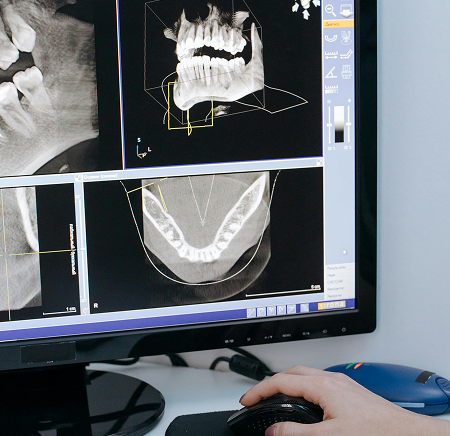
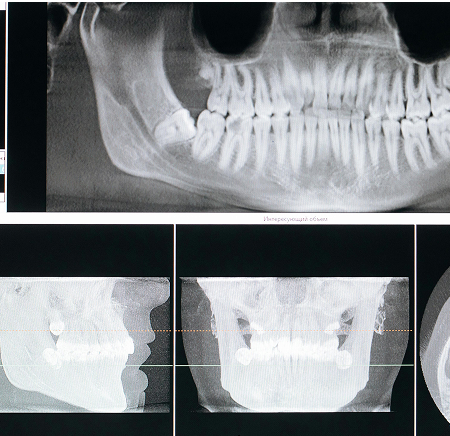
CBCTScan
A CBCT scan (Cone Beam Computed Tomography) is an advanced 3D imaging technique used in dentistry to capture highly detailed views of the teeth, jawbone, nerves, and surrounding structures. It provides precise, cross-sectional images, allowing dentists to diagnose and plan treatments with accuracy.
CBCT scan provides precise 3D imaging for dental implants, orthodontics, and oral surgery.
Intraoral Scanner
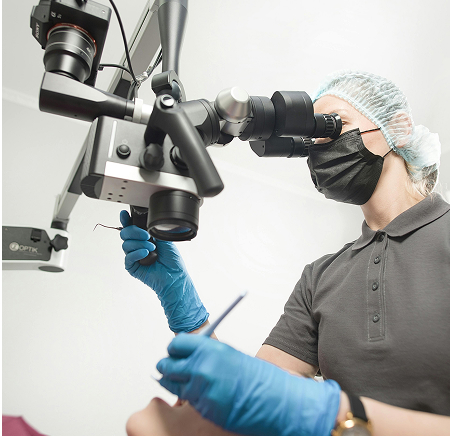
An intraoral scanner (IOS) is a digital device that captures highly accurate 3D images of a patient’s teeth and gums. It replaces traditional messy impressions with a quick, comfortable, and precise scanning process.
Intraoral scanner captures precise 3D digital impressions for fast, comfortable, and accurate dental treatments.
Digital X-Rays
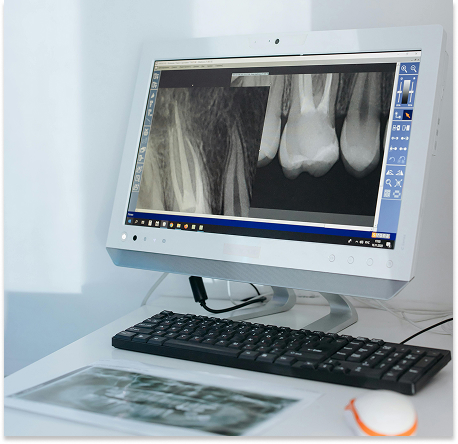
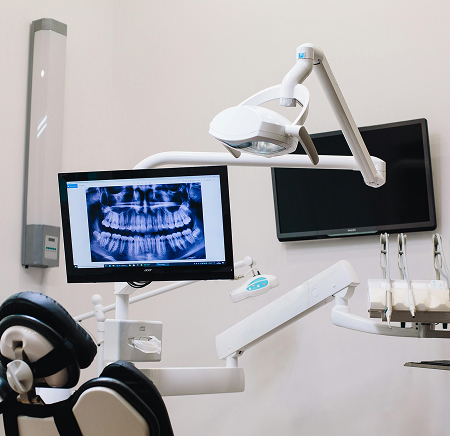
Digital X-rays are advanced imaging technology that captures high-resolution dental images with lower radiation exposure than traditional X-rays. They help in early diagnosis of cavities, bone loss, infections, and other oral health issues.
Digital X-rays provide instant, precise images with low radiation for accurate dental diagnosis.
Laser Dentistry
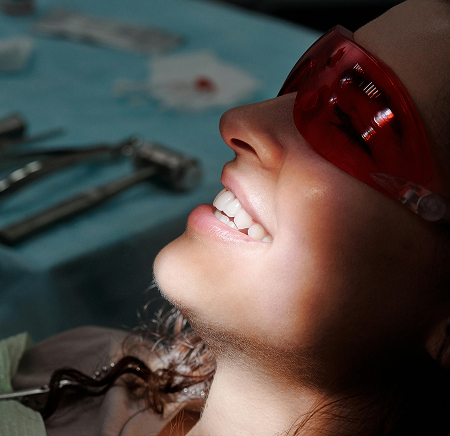
Laser dentistry uses high-energy light beams to perform precise and minimally invasive dental procedures. It is widely used for gum treatments, cavity removal, teeth whitening, and soft tissue surgeries. Laser technology reduces pain, bleeding, and recovery time, making treatments more comfortable for patients.
Laser dentistry offers precise, painless, and fast healing treatments for gums, cavities, and whitening.
Digital X-Rays
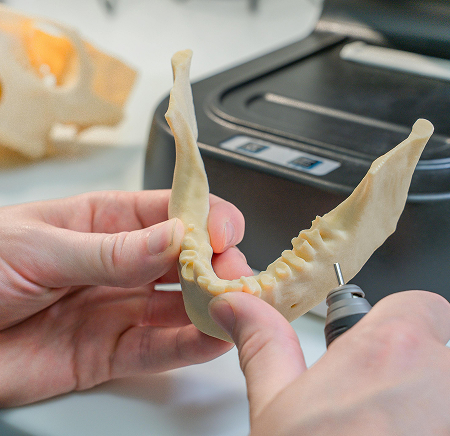
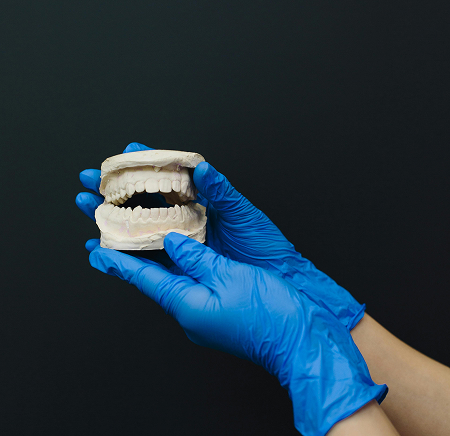
3D printing revolutionizes dentistry by creating customized dental restorations, aligners, dentures, and surgical guides with high precision. It enhances efficiency, accuracy, and patient-specific treatments while reducing production time. This technology allows for same-day dental restorations, eliminating the need for multiple appointments.
With advanced biocompatible materials, 3D printing ensures strong, durable, and natural-looking dental prosthetics. It is widely used in crowns, bridges, implants, and orthodontic devices. Additionally, it aids in surgical planning by producing accurate models of a patient’s oral structures.
3D printing creates precise, customized dental restorations, aligners, and surgical guides efficiently.






OUR SERVICES & Advanced Technology
Better Services for your Teeth
Call us for Booking
+919500680027
