
Oral Surgery


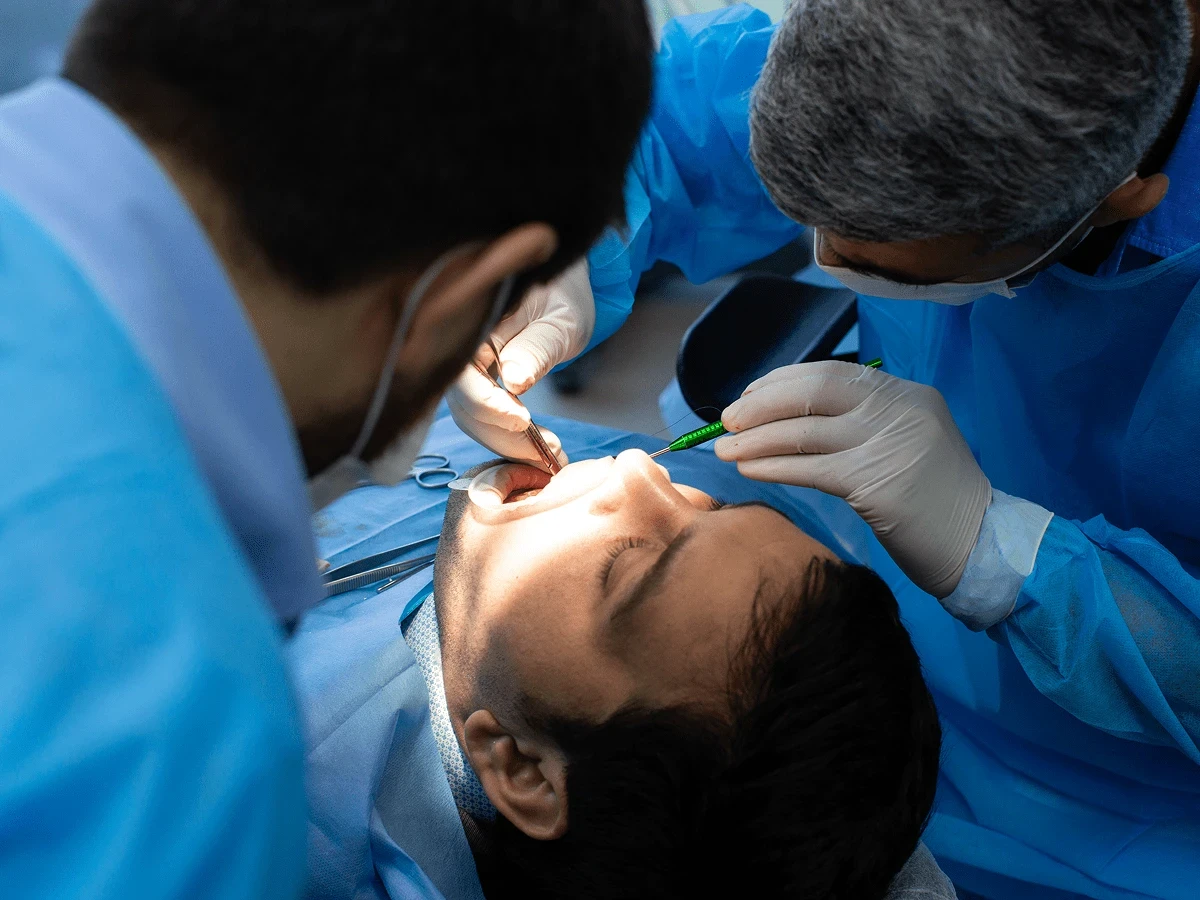
Oral Surgery
Find Relief and Wellness with Wisdom Tooth Removal
Imagine the relief of addressing discomfort before it escalates, safeguarding your oral health and overall well-being. Our premier dental clinic specialises in wisdom tooth removal, providing a pivotal solution for those experiencing pain, crowding, or potential complications from these late-arriving teeth. Located in the vibrant heart of Chennai, our clinic leads with expertise in dental surgery, offering tailored wisdom tooth extraction procedures that cater to your specific health requirements and comfort levels. If you are looking for ‘wisdom teeth removal cost in Chennai’, Radiant Dental Care provides best treatments in a budgeted manner. Schedule a consultation with us to embark on a journey towards relief, health, and peace of mind.
What is Wisdom Tooth Removal?
Wisdom teeth, often the third molars, are the last of the molars completing the set of 3 molars on each side of the upper and lower arch. In most cases, the third molars erupt without any problem but in some cases, they impinge on the gums. on the gums, or are accompanied by the cyst. At times, they may be misaligned and cause damage to the adjacent tooth. In such cases, the wisdom tooth has to be extracted. The process of removal of wisdom tooth is known as wisdom tooth removal which is undertaken by the oral surgeon.
- Expert Surgical Precision
- Advanced Healing and Recovery
- Improved Oral Health
- Post-Extraction Care and Support

Benefits of Getting Wisdom Tooth Removal
Wisdom tooth removal is a strategic intervention aimed at preventing a host of dental complications while promoting oral health. This procedure stands out as a crucial preventative measure with several key benefits:
- Prevention of Overcrowding and Misalignment: Removing wisdom teeth can prevent the crowding of existing teeth, often eliminating the need for orthodontic treatments to correct misalignments caused by pressure from emerging wisdom teeth.
- Alleviation of Pain and Discomfort: Extracting wisdom teeth alleviates pain and discomfort associated with their eruption through the gums or potential impaction, improving your daily quality of life.
- Reduction in Oral Health Issues: The removal of wisdom teeth can decrease the risk of decay and gum disease by eliminating hard-to-reach areas where bacteria can thrive, thus contributing to improved long-term oral health.
- Elimination of Potential Complications: By opting for wisdom tooth removal, you can prevent future dental issues such as cysts, tumours, and infections that could require more invasive treatments.
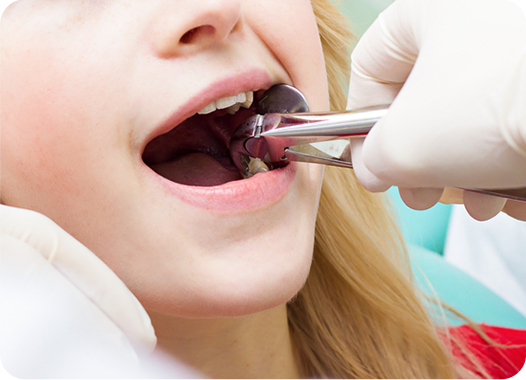
Procedure for Getting Wisdom Tooth Removal
Here’s a step-by-step list of what you can typically expect during a wisdom tooth removal process:
1. Initial Consultation
-
Dental exam with X-rays to check the position and condition of the wisdom tooth.
-
Dentist or oral surgeon will evaluate if removal is necessary.
-
Discussion about sedation or anesthesia options.
2. Pre-Operative Instructions
-
Avoid eating or drinking for 6–8 hours before surgery (if sedation is used).
-
Arrange for someone to drive you home.
-
Inform the dentist about any medications or health conditions.
3. Administration of Anesthesia
-
Local anesthesia: Numbs the area around the tooth.
-
Sedation anesthesia: Makes you drowsy and relaxed.
-
General anesthesia (in rare cases): You’ll be completely unconscious.
4. Tooth Removal Procedure
-
A small incision is made in the gum if the tooth is impacted.
-
Bone blocking the tooth may be removed.
-
The tooth is extracted—sometimes in sections if needed.
-
The area is cleaned, and the incision is stitched if necessary.
5. Post-Extraction Care
-
Gauze is placed over the site to control bleeding.
-
You'll be monitored briefly before being sent home.
-
Prescription medications may be provided for pain and swelling.
6. Recovery at Home
-
Apply an ice pack to reduce swelling.
-
Take medications as prescribed.
-
Eat soft foods like yogurt, mashed potatoes, or smoothies.
-
Avoid smoking, using straws, or vigorous rinsing for a few days.
7. Follow-Up Appointment
-
Usually scheduled within a week to check healing.
-
Stitches (if non-dissolvable) are removed.
-
Dentist will ensure there are no signs of infection or dry socket.
Dental Implants Surgery
Dental implants are artificial tooth roots made of titanium that are surgically placed into the jawbone to support a crown, bridge, or denture.
Key Benefits
-
Natural look and feel
-
Long-lasting and durable
-
Preserves bone structure
-
Restores chewing and speaking ability
-
Procedure Steps
-
Evaluation and imaging (X-ray/CBCT)
-
Tooth extraction (if needed)
-
Implant placement into jawbone
-
Healing period (osseointegration)
-
Abutment and crown placement
Visual Suggestion: Diagram showing implant screw, abutment, and crown placement
-
Corrective Jaw Surgery (Orthognathic Surgery)
Corrective jaw surgery is performed to realign the jaws and teeth to improve function and appearance. It’s often required when orthodontics alone cannot correct jaw issues.
Indicated For
-
Bite problems (underbite, overbite, crossbite)
-
Difficulty chewing, speaking, or breathing
-
Facial asymmetry
-
What It Involves
-
Pre-surgical orthodontics
-
Surgery under general anesthesia
-
Recovery and post-surgical physiotherapy
Visual Suggestion: Before and after facial X-ray of jaw alignment
-
TMJ Disorders (Temporomandibular Joint Disorders)
Jaw Joint and Facial Pain
References:
Jackson Family Dental
Austin Oral Surgery – TMJTMJ disorders affect the jaw joint and surrounding muscles, often resulting in chronic pain and limited jaw movement.
Symptoms Include
-
Jaw pain or tenderness
-
Clicking or popping sounds
-
Difficulty opening or closing the mouth
-
Headaches and earaches
-
Treatment Options
-
Custom mouthguards (night splints)
-
Bite correction therapy
-
Physical therapy and jaw exercises
-
Surgical intervention (if necessary)
Visual Suggestion: TMJ anatomy illustration with patient in jaw discomfort
-
Facial Bone Fractures (Facial Trauma)
View More from Austin Oral Surgery
Facial trauma includes fractures caused by sports, accidents, or physical impact. Timely surgical intervention is crucial to restore both function and facial aesthetics.
Common Types
-
Nose fracture
-
Zygomatic (cheekbone) fracture
-
Orbital (eye socket) fracture
-
Mandibular (jaw) fracture
-
Treatment
-
Diagnosis with X-ray or CT scan
-
Bone repositioning and alignment
-
Surgical fixation using plates and screws
-
Post-op care and healing monitoring
Visual Suggestion: Facial bone diagram showing trauma zones
-
Cysts and Tumors of the Jaw and Oral Cavity
Oral cysts and tumors may arise in the jawbone or soft tissue. Most are benign but should be addressed early to avoid complications.
Common Conditions
-
Dentigerous cysts
-
Odontogenic keratocysts
-
Ameloblastoma (benign tumor)
-
Soft tissue papillomas or fibromas
-
Management
-
Clinical and radiographic evaluation
-
Biopsy for accurate diagnosis
-
Surgical removal or curettage
-
Routine long-term follow-up
Visual Suggestion: Jaw X-ray showing cystic lesion
-
-
